
Bessemer Previous-Resident Sources
One Bessemer address can have several histories. Deeds describe the ownership chain. Parcel data supplies the present owner and durable land identifiers. Directories and telephone books can place listed people or firms at the address. Public census schedules add household members at ten-year intervals. Each source covers a different period and answers a different question, so the starting point depends on how far back the search must go.
| Source | Years covered | Where held | Evidence supplied |
|---|---|---|---|
| Deed books and index | 1915 to present; web from 1965 | Bessemer Probate and Landmark | Owners, transfers, dates, legal description |
| Parcel and tax GIS | Current, nightly layer | Jefferson County assessor and GIS | Owner, situs, mail address, parcel, division |
| Bessemer city directories | Verified issues, 1907 to 1963 | Alabama Department of Archives and History | Named residents, occupations, street addresses |
| Bessemer telephone books | Verified runs, 1937 to 1963 | Library of Congress | Subscribers, firms, addresses, telephone numbers |
| Federal census | Public through 1950 | NARA and library databases | Household members and relationships |
| Permits and Sanborn maps | Local coverage not verified | City request or library/catalog search | Possible work history or building footprint |
For a recent transfer, start with the parcel and deed. For past residents before online deeds, keep tracing title at the courthouse and add the directory or census nearest the target date. Do not state that Bessemer has a permit or Sanborn run until the custodian confirms it.
Anchor Bessemer Previous Residents
Begin with Jefferson County GIS or CAPture. Copy the current owner, parcel number, legal description, subdivision and plat, physical site address, owner mailing address, municipality, and Division. The physical site is often called the situs. It may differ from the tax mailing address. That distinction stops a mail destination from being mistaken for the house where a person lived.
Homestead status can support an owner's claim of occupancy, but it does not identify all past residents. The current parcel layer is also not a timeline. Its value is that it provides the stable parcel and legal description needed to connect today's street address with older deeds.
Note: Preserve the Bessemer Division field because postal use of “Bessemer” alone does not decide which Jefferson County record office holds the instrument.
Trace Bessemer Owners Backward
The deed chain turns a current parcel into a sequence of named transfers. Landmark Web supports name, document, book and page, consideration, record-date range, instrument-number, legal, and quick searches. Use the current owner's acquisition deed first. Then reverse the role of the seller in the next search.
- Pull the current parcel record. Copy the owner, legal description, parcel number, and plat reference.
- Search the present owner as grantee, the person receiving the land. Open the acquisition deed and record its grantor, date, instrument or book and page, and legal description.
- Search that grantor as an earlier grantee. Confirm the same legal description before accepting the older transfer.
- Repeat the pattern through 1965. Keep an evidence log because similar names and adjacent lots can produce false links.
- Take the final online names and book-page reference to the Bessemer Record Room for the 1915 through 1964 books.
This method finds owners, not necessarily everyone who lived there. Pair each ownership span with resident evidence from a directory, census schedule, obituary, or estate file.
- Grantor
- The person or entity transferring an interest in land.
- Grantee
- The person or entity receiving that interest.
- Chain of title
- The linked sequence of transfers for the same land.
- Legal description
- The recorded words that identify the tract, often by lot, block, subdivision, or survey rather than street number.
Bessemer's 1965 Records Bridge
The Bessemer Division courthouse books begin in 1915, while the online index and images begin in 1965. A search that stops at the web cutoff is unfinished. It does not show that the older deed vanished. The Jefferson County Probate archive page explains the division and archive coverage.
The archive coverage is the handoff point between a Landmark search and the earlier Bessemer record books.
Bessemer Probate/Recording is at 1801 Third Avenue North and is open Monday through Friday from 8 a.m. to 4 p.m. Call 205-481-4100. Mail requests should give the buyer, seller if known, sale date, and property address. Copies are $1 per page, plats $15 per page, and certification $2 per document. Staff retrieve identified documents but do not conduct a title or lien search.
Sources differ on whether Bessemer's satellite courthouse began in 1915 or 1920. Legal history points to an early local act, abolition, and recreation in 1919. Keep that discrepancy in the research notes rather than forcing one date onto the deed collection.
Bessemer Past Households by Year
Ownership is only half of the previous-residents question. The Alabama Department of Archives and History verifies Bessemer directory issues between 1907 and 1963, with gaps. The Library of Congress has free Bessemer telephone-book images for 1937 to 1939, 1940 to 1944, 1948 to 1949, and 1962 to 1963. A listing may show a subscriber or firm, street address, and telephone number. It can omit unlisted people and households without service.
Pairing sources creates a stronger household trail:
- Choose the directory issue closest to the deed date and look for the address or the owner's surname.
- Record spelling, initials, street number, occupation, and telephone format exactly as printed.
- Check the next available issue. A continued address can support a date range, while a gap remains only a gap.
- For 1920, 1940, or another public census year, match the household through name, street, age, and family clues.
- Compare the census household with the deed owner. Note renters, relatives, boarders, or businesses rather than forcing every name into the title chain.
The full shelf, issue list, and ways to read an entry belong to the Bessemer city directory page. Here, each volume serves one address timeline.
Date Bessemer Directory Clues
Old telephone formats can help date an undated Bessemer clipping. The digitized books include older “Bessmr” exchange forms and later 425 or 428 exchanges. That clue is not a substitute for a title page, but it can narrow the likely era before a page is compared with a verified issue.
Directory coverage remains irregular. ADAH verifies seventeen standalone Bessemer issues or editions across the 1907 to 1963 span. A missing household in one volume may reflect an unlisted number, lack of service, an index gap, or a move between issues. Check nearby years and retain negative findings without turning them into proof.
This small local quirk can resolve a pasted advertisement or family note that lacks a date. The address, exchange style, owner timeline, and nearest census can then be weighed together.
Bessemer Previous Residents in Estates
When a household trail ends with a death or move, an obituary or probate file may explain the break. Bessemer Probate keeps estates, wills, and guardianships, but no verified public name-search portal was found. Use the counter and provide a full name, approximate date, and known address. An estate caption may identify a decedent and executor; public filings may name heirs. Confirm all addresses independently.
Court sources can add another endpoint when a relevant public filing is already known. The U.S. District Court for the Northern District of Alabama is the official federal court source serving the area.
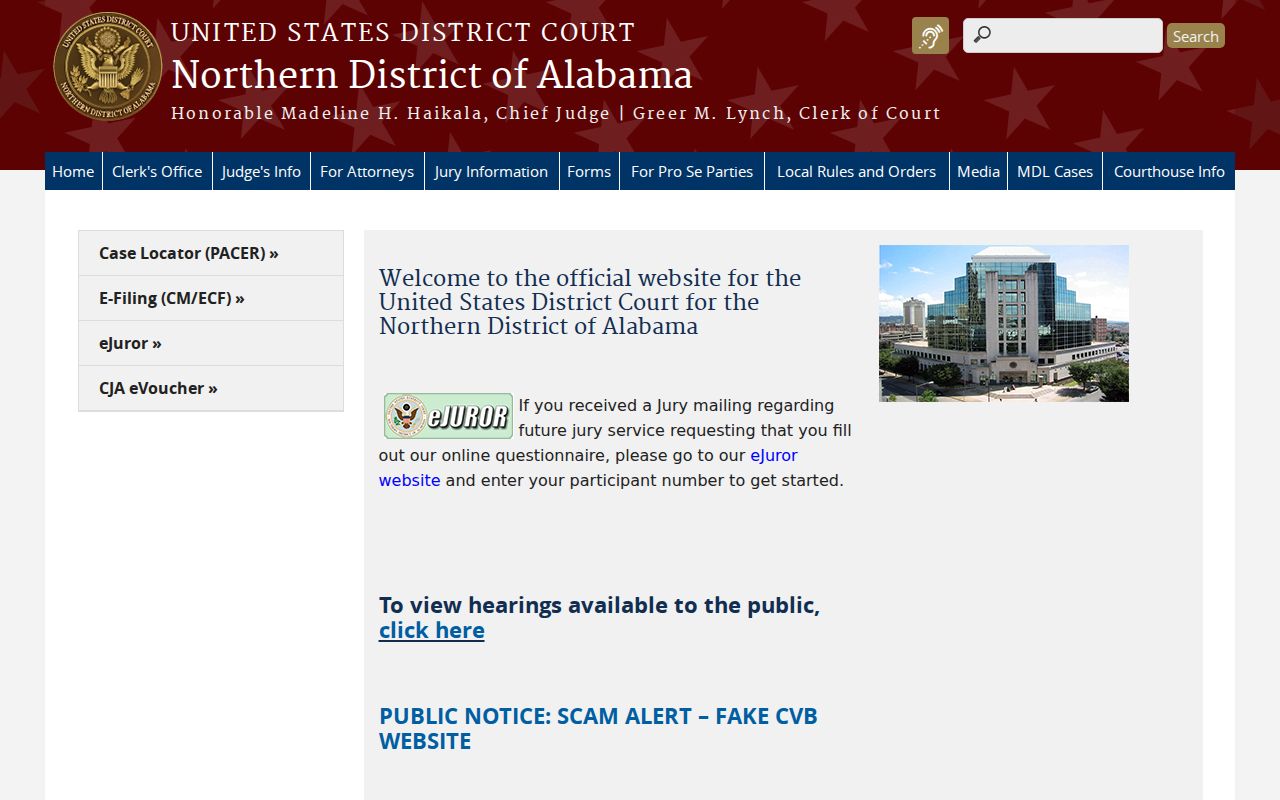
Federal dockets are separate from Bessemer Probate and state trial files, so search them only when the known event belongs in federal court.
PACER publishes its current fees and courthouse-terminal access for federal records.
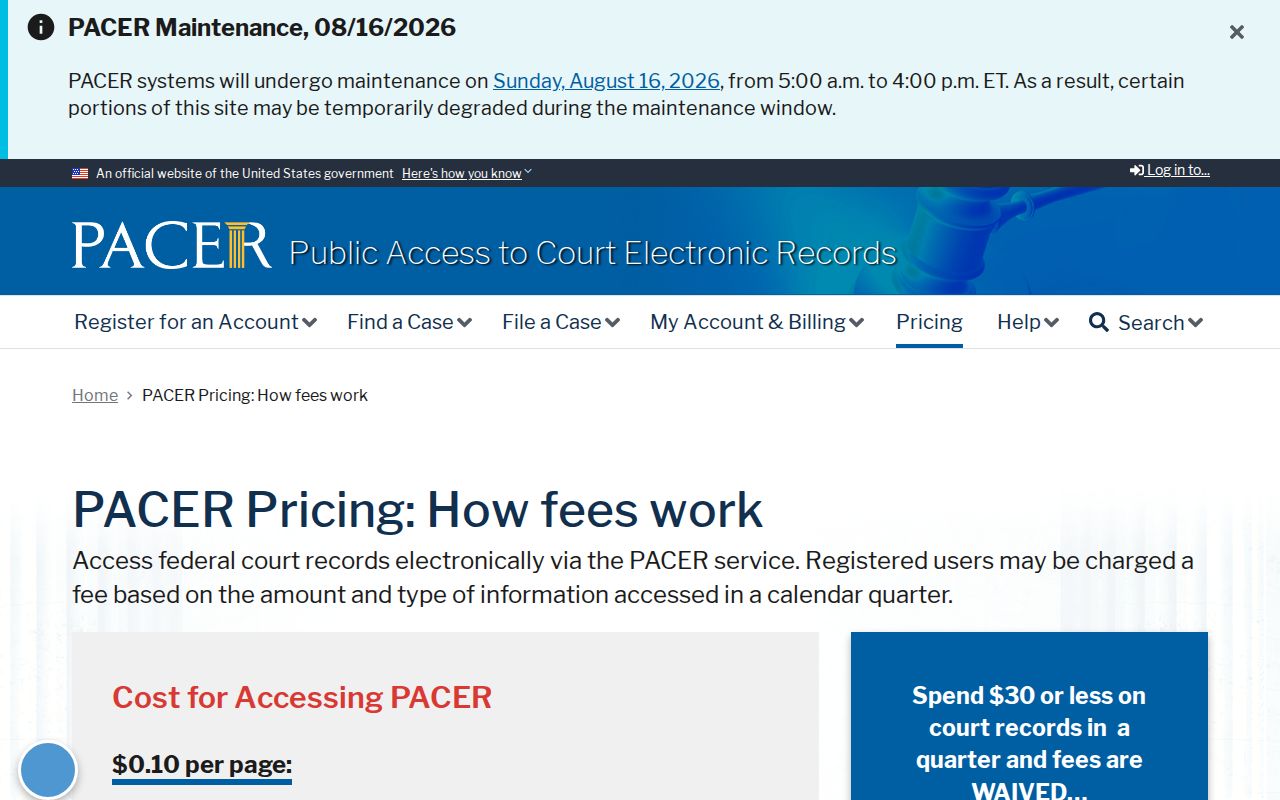
PACER currently charges $0.10 per page with a $3 cap for a document or report and a quarterly waiver at $30; courthouse terminals are free. Those terms change on January 1, 2027, so check the official page before use.
Bessemer Previous-Resident Research Gaps
Building permits and Sanborn fire-insurance maps can be valuable, but the research did not verify a Bessemer permit cutoff, public permit database, or Bessemer-specific Sanborn year. County ePermitJC applies to unincorporated Jefferson County and should not be assumed to cover a city parcel. First confirm the parcel's municipality and division.
For a city permit, ask the Bessemer City Clerk for an existing record tied to the exact address and date range. For maps, use the Library of Congress Sanborn search guide and verify the city and edition before drawing a conclusion. A map can show a building footprint or use; it does not name every resident.
No proven Bessemer street-renumbering year was found. When old and new street numbers conflict, follow the parcel's legal description, subdivision, and plat reference. Those land identifiers are safer than guessing at a renumbering date.
Before Bessemer Resident Directories
Bessemer was founded in 1886, commercial lots were sold in 1887, and the city incorporated that September. The verified directory run begins later. For founding-era networks, the University of Alabama's Henry DeBardeleben records span 1886 to 1953 and include company minutes, stockholder letters, certificates, and legal or financial files. Offsite items require two business days.
These company papers can connect people to Bessemer's early industrial and business story before a household appears in a verified directory. They are contextual records, not an address census. Use a name or business link from them as a lead, then test it against deeds, directories, newspapers, and census schedules.
Limits on Bessemer Previous Residents
A deed owner, homestead claimant, telephone subscriber, and census resident are not interchangeable. Each record was created for a different purpose. A complete address timeline should label the role and date beside every name. It should also preserve contradictions, such as an owner whose tax mail went elsewhere or a directory subscriber who never held title.
Public records can also omit protected or sealed information. Research on previous residents should remain tied to family history, property history, estate work, or personal curiosity. Current contact details should not be inferred from an old household trail.
Lawful use. Use Bessemer house-history records with care. Never use names or addresses to stalk, harass, threaten, or track a living person.